
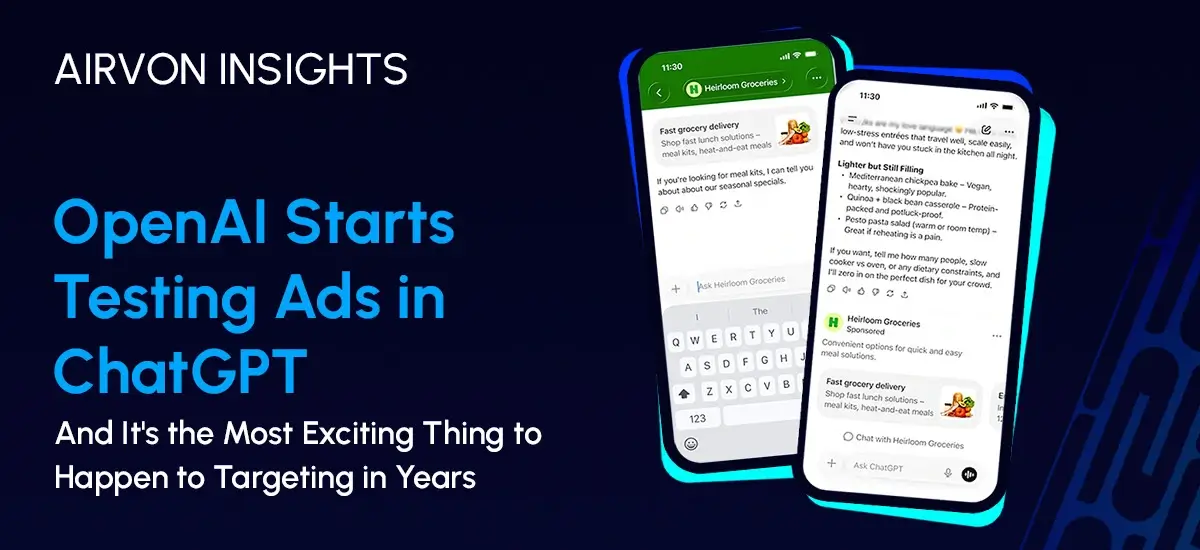
If you’ve been using ChatGPT lately and noticed a sponsored suggestion popping up at the bottom of your response, you’re not imagining things. OpenAI kicked off testing for ads in the U.S. on February 9, 2026, and it’s rolling out to logged-in adult users on the Free and Go tiers (that $8/month plan they launched in January). Higher plans like Plus or Pro stay ad-free.
This change lets OpenAI reach more people without limits. They aim for 1 billion users in 2026. Right now, ChatGPT has 800 million weekly active users. Only 5-10% pay, which means 40-80 million subscribers. OpenAI needs revenue to scale and Ads will help.
Why Ads Were Always Going to Happen?
OpenAI is burning through cash at an insane rate to keep building better models and the subscription model alone wasn’t going to cut it forever. ChatGPT now has more than 800 million weekly active users yet only a small percentage actually pay for Plus or higher. Most people including you just hop in for quick things: drafting an email, getting recipe ideas, planning a weekend trip, asking random questions that Google used to handle for free.
For those everyday uses $20 a month never felt essential. But now OpenAI wants to reach a billion users and Ads will bridge that gap. They let hundreds of millions more people access powerful AI without hitting paywalls or strict usage caps. Think about how the internet itself grew (Google, Facebook, Instagram, TikTok) they all launched free, hooked billions of people and then introduced targeted ads to fund the whole operation.
Last year, OpenAI published data on what people use AI for, helping us understand why most people don’t pay for AI subscriptions.
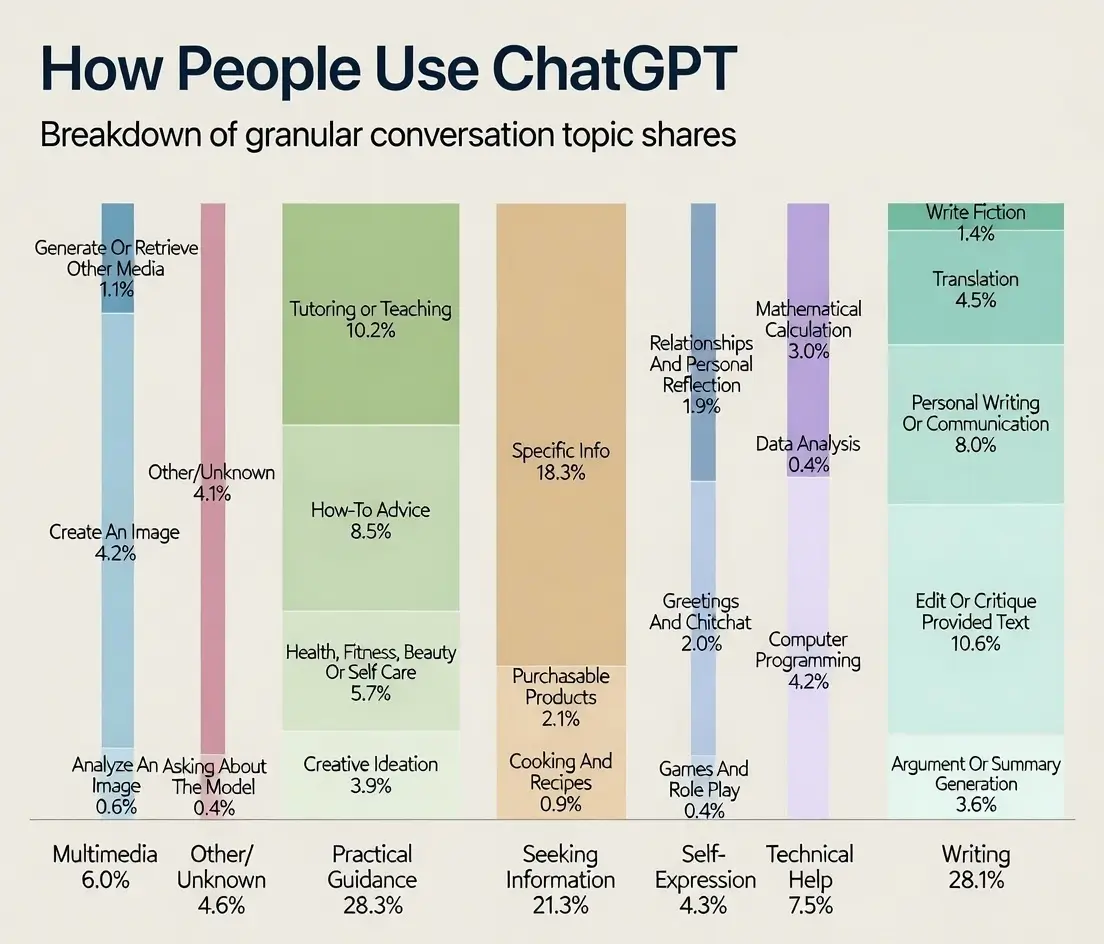
User Behavior Drives This Change
You mainly use AI for simple tasks. OpenAI data from 2025 shows most queries cover emails, searches, or advice. Programming makes up a small share so for coders, subscriptions pay off. For the majority, free works fine. Why pay for “why is the sky blue”? Google gave free answers before.
What the Ads Look Like
Ads appear at the bottom of responses and are labeled as “sponsored”.
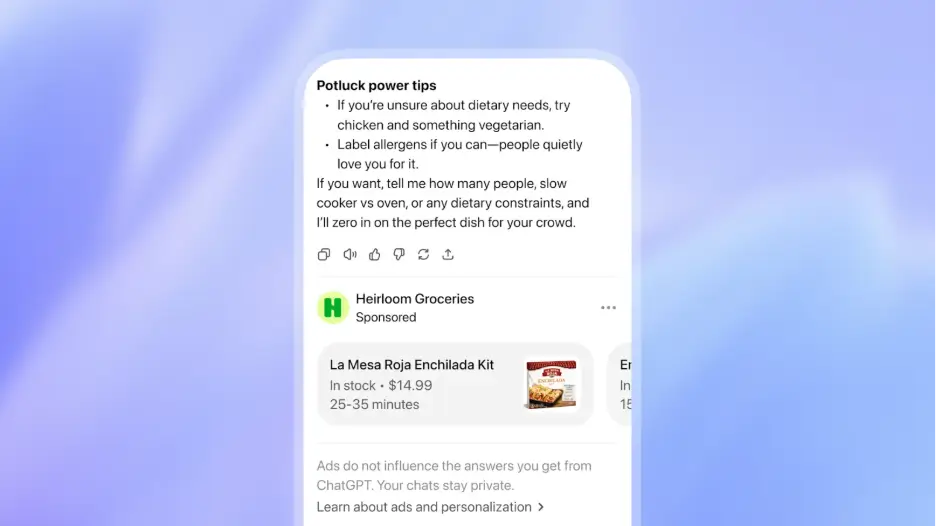
It’s been claimed that the conversations remain private from advertisers. You can tap to learn why that ad showed up, dismiss it instantly or even tell OpenAI why it felt off target. They also block ads entirely for anyone they think is under 18 and nothing appears near sensitive topics like health, mental health, or politics.
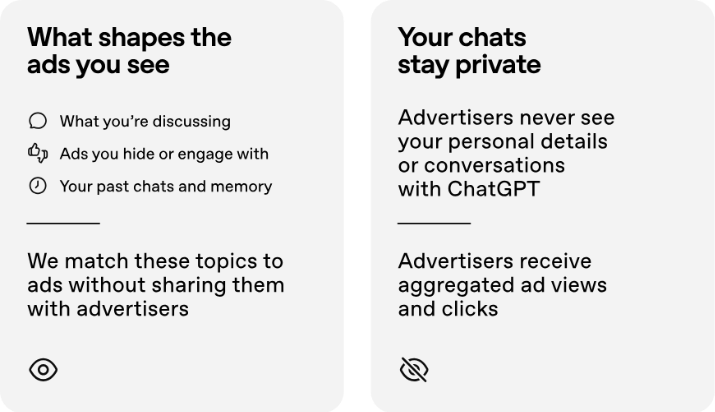
Over time the potential gets really interesting.
Intent-based
You say, “best hotels in Paris” and sponsored options appear naturally.
Context-based
It shows you stuff you didn’t know you wanted, based on your chats and history just like Instagram.
Affiliate commerce
Buy straight in chat. OpenAI already tested an instant checkout.
Goal-based bidding
Pay extra compute for high-value queries (real estate alerts, deep research).
This targeting crushes Google keywords. You’re reaching people exactly when they express a need in conversation. That’s gold for marketers.
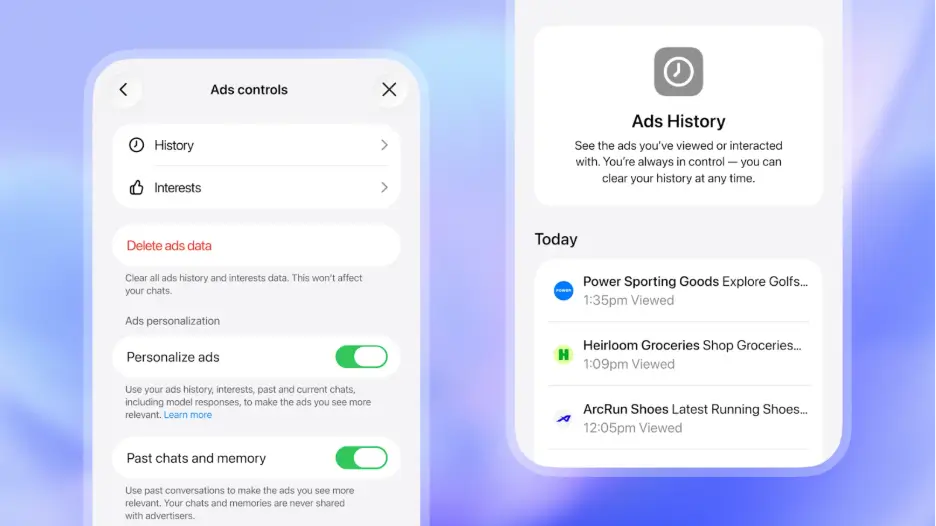
What Should You Do About It?
If the ads bug you, upgrading to Plus or higher removes them completely. If you’re running a business or marketing team, jump in and test. The pilot is live, brands are participating, and feedback right now will influence what comes next. If you’re just a regular user just give it a fair shot. OpenAI says they’re listening closely during this phase so at the end of the day, ads aren’t the villain here, in fact they’re the mechanism that could make AI truly universal.
Have you seen the ads in your ChatGPT yet? Do they feel helpful, annoying, or somewhere in between? Drop your thoughts in the comment section.
When did OpenAI start testing ads in ChatGPT?
OpenAI began testing ads in the U.S. on February 9, 2026, starting with logged-in adult users on the Free and Go plans.
Which ChatGPT plans show ads?
Ads are currently shown to users on the Free and Go tiers. Higher-tier subscriptions like Plus and Pro remain ad-free.
Where do ads appear inside ChatGPT?
Ads appear at the bottom of responses and are clearly labeled as “sponsored.”
Are ChatGPT conversations shared with advertisers?
It has been claimed that conversations remain private from advertisers. Users can also tap to learn why an ad was shown or dismiss it instantly.
Why is OpenAI introducing ads now?
With over 800 million weekly active users and only a small percentage paying for subscriptions, ads help OpenAI generate revenue while keeping access available to a broader audience.
