
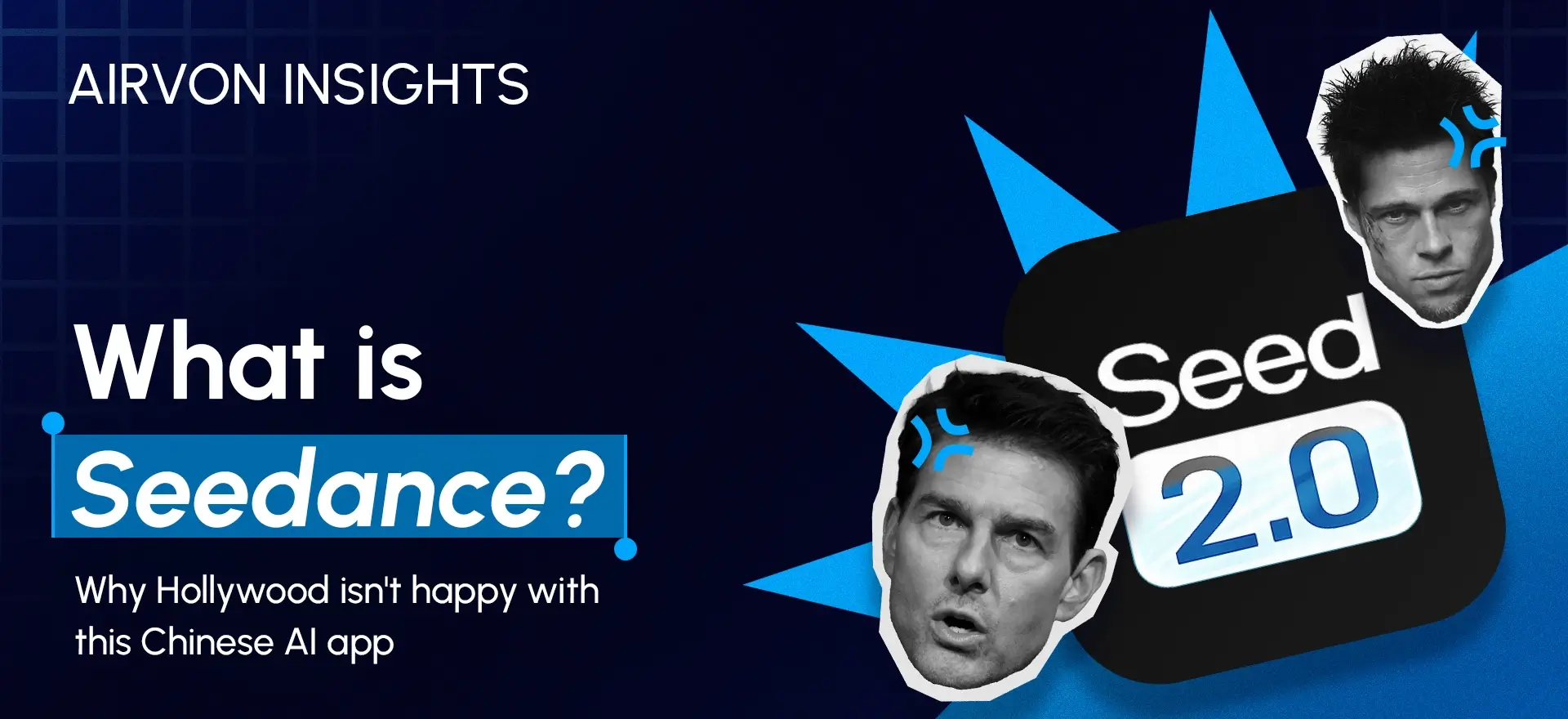
Tom Cruise and Brad Pitt trading punches on a rubble-strewn bridge. Donald Trump fighting kung fu masters in a bamboo forest. Kanye West singing in Mandarin inside a Chinese imperial palace.
All of these clips went viral over the past week, yet none of them are real. They were generated using a new AI video model from ByteDance called Seedance 2.0.
The reaction has been immediate. Hollywood is upset, and legal letters from major studios are already being sent. A larger debate is emerging about where generative video technology is heading in 2026.
What Is Seedance 2.0?
Seedance 2.0 is a text-to-video and image-to-video AI model developed by ByteDance, the Chinese parent company of TikTok.
It can take simple text prompts or multiple reference inputs and generate short, polished video clips with realistic motion, synchronized audio, and narrative continuity. Users can upload images, video snippets, and audio, and the AI blends them into a cohesive video sequence with a single prompt.
Unlike earlier generation tools that produced disjointed frames or low-quality clips, Seedance 2.0 aims to output video closer to broadcast-ready footage, with native audio synchronization and consistent character presentation.
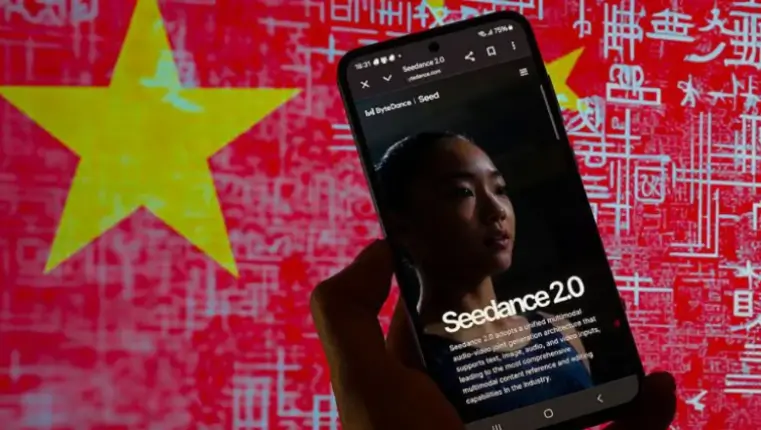
As of early 2026, the tool is officially available mainly in China through ByteDance platforms, with global access limited by account and verification requirements.
Why Hollywood Is Upset
The controversy erupted soon after Seedance 2.0 videos began circulating online. A 15-second AI-generated clip showing an ultra-realistic scene of actors like Tom Cruise and Brad Pitt fighting quickly went viral.
That sparked coordinated criticism from major film studios and industry groups. The Motion Picture Association (MPA), representing studios such as The Walt Disney Company, Paramount Global, and Sony, publicly denounced the tool for the unauthorized use of copyrighted material and likenesses.
Disney has reportedly issued a cease-and-desist letter to ByteDance. Actors’ unions, including SAG-AFTRA, have echoed these concerns.
They argue that reproducing actors’ voices and faces without consent could undermine livelihoods and violate fundamental rights.
Behind the scenes, Hollywood professionals warn that as these tools improve, independent creators could produce work indistinguishable from studio films without the legal clearances that traditional studios must secure.
The Creative vs. Legal Clash
Two forces are colliding here.
Creative Tools Becoming Highly Accessible
AI video generation no longer requires technical expertise or expensive hardware. Simple prompts can lead to visually striking results that once took teams of artists and editors weeks to produce.
Copyright Law Was Not Built for This Scale
Existing copyright frameworks were designed around human-created work and licensed use. They do not easily accommodate systems that can blend and recreate protected characters, voices, and scenes autonomously.
Studios argue that using their material as training data, combined with the ability to recreate it without permission, amounts to direct infringement.
Questions to Think About
If AI can create cinema-quality video from simple text prompts, where do we draw the line between inspiration and infringement?
And are our legal systems ready for that shift?
Your perspective matters. Share it in the comments and stay informed as these discussions shape the future of creative work and AI.
What is Seedance 2.0?
Seedance 2.0 is a text-to-video AI model developed by ByteDance that generates realistic video clips using prompts, images, audio, and video references.
Why is Hollywood concerned about Seedance 2.0?
Studios and actors worry that AI-generated videos could recreate actors’ likenesses, voices, and copyrighted material without consent or licensing.
Is Seedance 2.0 available globally?
As of early 2026, the tool is primarily available in China, with limited global access due to account and verification restrictions.
How does Seedance 2.0 generate videos?
The model uses text prompts, reference images, audio, and video snippets to generate coherent video clips with synchronized motion and sound.
Could AI video tools replace traditional film production?
While AI video tools are becoming more powerful, they currently complement rather than replace traditional filmmaking workflows.
